

Lingerie Seam Types: How They Affect Fit and Feel
Lingerie Seam Types directly impact comfort, fit, and body awareness, influencing how lingerie feels, supports, and moves with your body throughout the day.
When you begin to notice seam construction, your experience of lingerie shifts. Instead of focusing only on appearance, you start to tune into how your body responds to different textures and stitching. This awareness helps create a more supportive relationship with what you wear, allowing you to choose lingerie that feels aligned rather than restrictive.
Lingerie Seam Types are often overlooked, yet they play a significant role in how lingerie feels on your body. While fabric and design usually get the most attention, seams quietly shape comfort, support, and how a garment moves with you. They influence pressure points, flexibility, and even how your body perceives ease throughout the day.
Table of Contents
- Understanding Lingerie Seam Types
- How Seams Affect the Nervous System
- Common Lingerie Seam Types Explained
- Seam Types and Fit Dynamics
- Seams and Skin Sensitivity
- Choosing the Right Seam Type
- Seam Awareness in Daily Life
- Key Takeaways
- Frequently Asked Questions
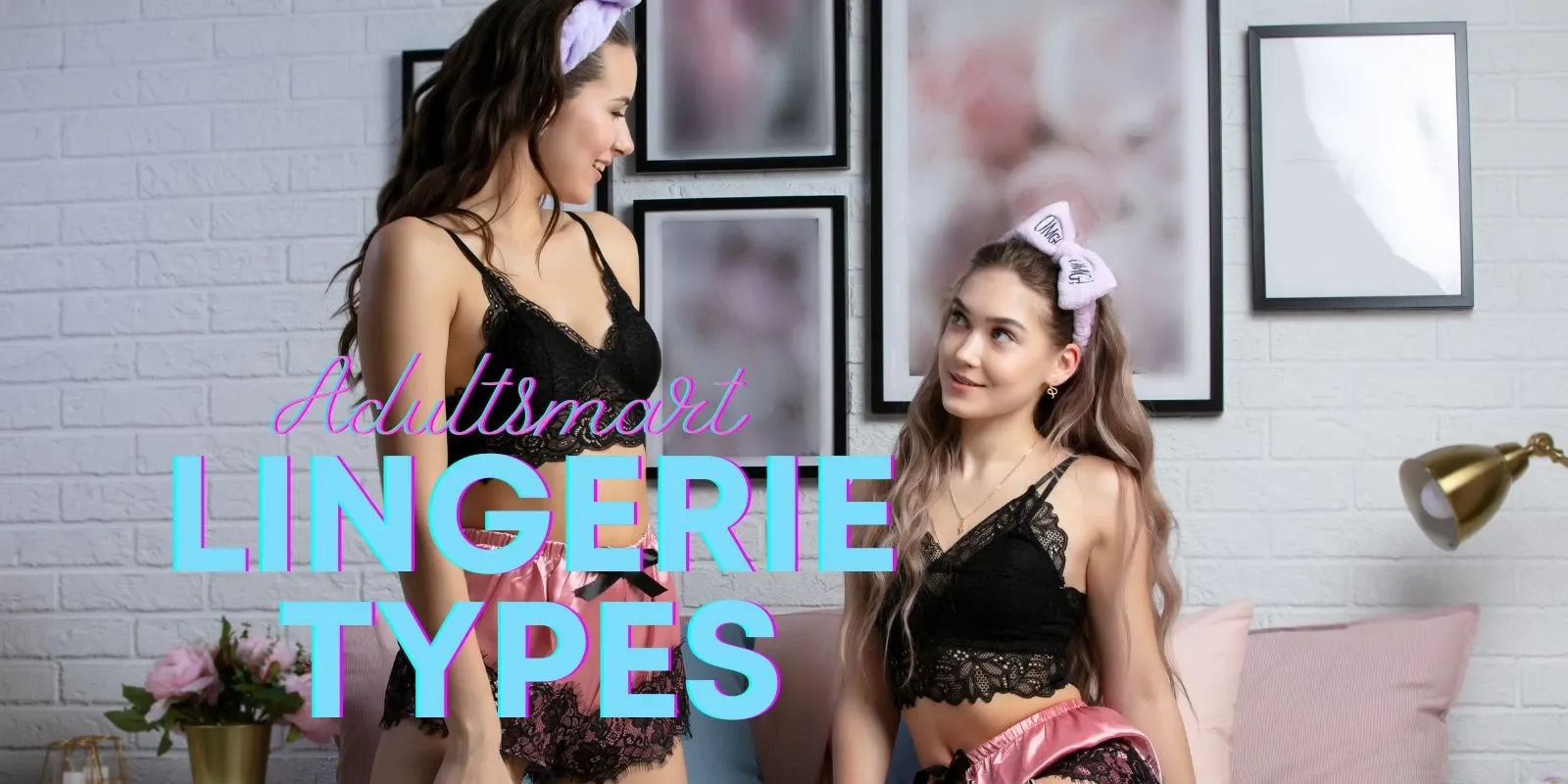
Understanding Lingerie Seam Types
Lingerie Seam Types refer to the methods used to join fabric pieces together, shaping both structure and comfort. These seams can be flat, raised, stitched internally, or even designed to be invisible. Each type creates a different experience on the body, influencing how lingerie sits, stretches, and responds to movement.
One pattern I’ve noticed is that many people are unaware of how much seams affect their comfort. They may focus on size or style, but overlook the construction details that determine how something actually feels. When awareness expands to include seams, choices become more intentional and supportive.
How Seams Affect the Nervous System
The body constantly processes physical sensations, including the subtle pressure of seams against the skin. Certain seam types can create friction or tension, which the nervous system interprets as discomfort. Over time, this can lead to restlessness or a low-level sense of irritation that is hard to identify.
In my studies, I’ve observed that smoother seam constructions tend to promote a sense of ease. When there are fewer pressure points, the body can relax, allowing for better focus and emotional regulation. This is why seamless or flat seams are often preferred for everyday wear.
If you are exploring designs that prioritize comfort and accessibility, adaptive lingerie often incorporates seam types that reduce irritation and improve ease of wear.
Common Lingerie Seam Types Explained
Different Lingerie Seam Types serve different purposes, balancing aesthetics with functionality. Understanding these can help you choose lingerie that aligns with your comfort needs and lifestyle.
- Flat seams that lie smoothly against the skin for minimal irritation
- Overlock seams that provide stretch and durability
- Bound seams that reinforce edges for structure
- Seamless construction that eliminates stitching lines
- Decorative seams that add visual detail but may affect comfort
For a deeper technical breakdown, know your lingerie seams explains how these constructions influence both design and wearability.
Another helpful perspective can be found in a guide to bra styles seams and shapes, which connects seam types to overall garment structure.
Seam Types and Fit Dynamics
Lingerie Seam Types directly influence how a garment fits your body. Seams create structure, shaping how cups support, how bands hold, and how fabric contours to natural curves. Poorly placed seams can create pressure or misalignment, while well-designed seams enhance fit without drawing attention.
One pattern I’ve noticed is that fit issues are often blamed on size, when they are actually related to seam placement. When seams align with the body’s natural shape, the garment feels supportive rather than restrictive. This creates a more balanced and comfortable experience.
Seam construction also plays a role in special occasions. For example, bridal lingerie guide highlights how seamless or carefully placed seams ensure a smooth silhouette under delicate fabrics.
Seams and Skin Sensitivity
For individuals with sensitive skin, Lingerie Seam Types can make a noticeable difference. Raised seams or rough stitching may cause irritation, especially when worn for extended periods. This can lead to discomfort that distracts from daily activities.
In my studies, I’ve seen that even small adjustments—like choosing flat seams or softer stitching—can significantly improve comfort. The body responds quickly to reduced irritation, often creating a sense of relief that supports both physical and emotional ease.
If irritation is a concern, exploring lingerie skin irritation can provide additional insight into how materials and construction affect the skin.
Choosing the Right Seam Type
Choosing the right Lingerie Seam Types involves tuning into your body’s responses rather than following trends. Notice how different seams feel throughout the day, especially during movement or extended wear. This helps you identify what supports your comfort and what creates tension.
One pattern I’ve noticed is that people often prioritize appearance over comfort, only to adjust or remove the garment later. When the focus shifts to how something feels first, satisfaction increases and the need for constant adjustment decreases.
It can also help to consider context. Seamless options may work best for daily wear, while structured seams may provide better support for specific outfits or occasions.
Seam Awareness in Daily Life
Lingerie Seam Types are not just a technical detail—they are part of your everyday sensory experience. Becoming aware of them allows you to make choices that support your body rather than challenge it. This awareness often extends beyond lingerie, influencing how you approach clothing in general.
In my studies, I’ve found that this level of awareness contributes to a more grounded sense of self. When you listen to your body’s signals, decision-making becomes more intuitive and less reactive. This creates a foundation for comfort that supports both physical and emotional well-being.
Lingerie Seam Types
Lingerie Seam Types shape how lingerie feels, supports, and moves with your body. By understanding these details, you can choose pieces that align with your comfort, reduce irritation, and create a more easeful daily experience. Over time, this awareness becomes part of a broader practice of listening to your body and responding with care.

Key Takeaways
- Lingerie Seam Types directly affect comfort, fit, and movement
- Smoother seams help regulate the nervous system by reducing irritation
- Different seam types serve both functional and aesthetic purposes
- Seam placement plays a key role in how lingerie fits the body
- Awareness of seams supports better long-term comfort and choice
Frequently Asked Questions
What are Lingerie Seam Types?
They are the methods used to stitch fabric pieces together, affecting comfort, fit, and structure.
Which seam type is best for comfort?
Flat or seamless constructions are generally the most comfortable for everyday wear.
Can seams cause skin irritation?
Yes, raised or rough seams can irritate sensitive skin, especially during long wear.
Do seam types affect lingerie fit?
Yes, seams shape how lingerie supports and contours to the body.
Are seamless lingerie options always better?
Not always. While they offer comfort, some structured seams provide better support depending on the design.


