
📅 Posted: November 13, 2026
|
🔄 Updated: November 13, 2026
|
⏱️ Reading Time: 06.00 Min Read
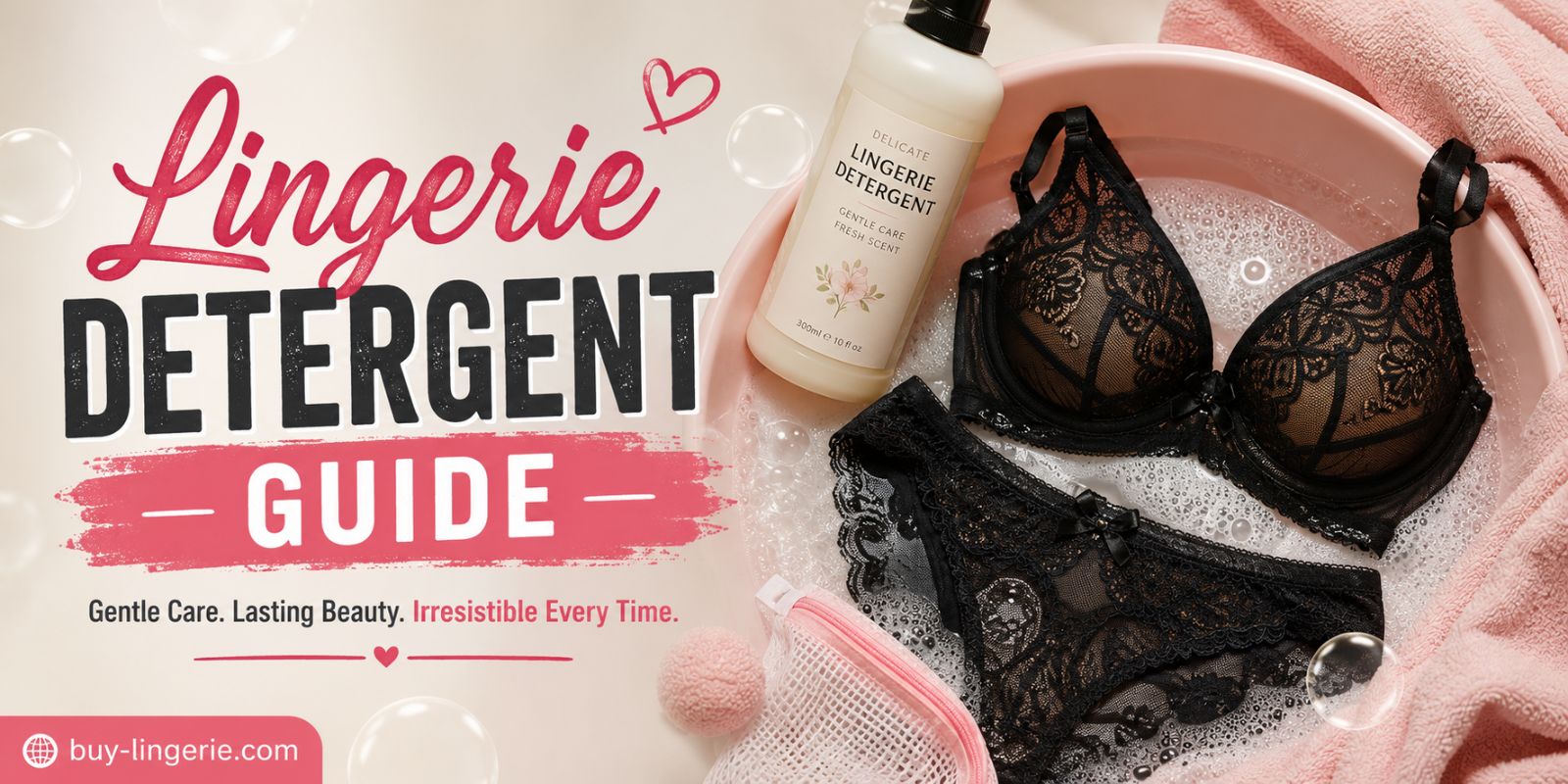
Lingerie Detergent Guide For Cleaner Fabrics And Lasting Shape
Choosing detergent for lingerie can seem simple until a favourite bra comes out of the wash feeling stiff, smelling heavily perfumed, or looking slightly less impressive than it did before. Delicate pieces combine elastic, lace, mesh, padding, decorative trims, and fine stitching, so the product used to clean them deserves as much attention as the washing method itself.
Some of the boldest lingerie in my collection has turned out to be the most demanding. A strappy black set can look ready to survive a nightclub, a dungeon, and several questionable decisions, then become deeply offended by one careless wash. Following a good lingerie detergent guide keeps that drama where it belongs, on the body rather than in the laundry sink.
Table Of Contents For Lingerie Detergent Guide
- Why Lingerie Needs More Care Than Everyday Laundry
- What To Look For In A Lingerie Detergent
- Detergent Mistakes That Leave Lingerie Stiff Faded Or Damaged
- How To Wash Different Lingerie Fabrics With Better Results
- Building A Simple Detergent Routine That Protects Every Piece
- FAQs About Lingerie Detergent Guide
Why Lingerie Needs More Care Than Everyday Laundry
Lingerie often places several materials inside one small garment. A single bra may contain stretch fabric, elastic edging, lace panels, foam cups, metal hardware, decorative stitching, and adjustable straps. Each component responds differently to detergent concentration, water temperature, rubbing, and repeated rinsing.
Elastic deserves particular attention because it controls much of the garment’s fit. A band that loses recovery can begin riding upward, while tired straps may need constant adjustment. Strong washing habits can also affect fine lace and mesh, especially when detergent remains trapped between closely constructed fibres.
Padded and moulded bras create another challenge. Their layered construction can hold onto suds longer than a thin pair of knickers. Careful rinsing becomes important because the outside may appear clean while detergent remains inside the cup material. A gentle method for hand washing bras can help protect cup shape while giving you more control over detergent use and rinsing.
The care label should remain the starting point of any lingerie detergent guide routine. Lingerie that looks similar can use different fibre blends, finishes, adhesives, or construction methods. One washing routine should not be forced onto every garment simply because they share the same drawer.
What To Look For In A Lingerie Detergent
Choose a lingerie detergent that suits the garment care label and works well in a small wash. Mix it fully into the water before adding lingerie, then rinse each piece until the fabric feels clean and free from suds. Once washed and completely dry, storing lingerie properly helps protect delicate pieces from crushed cups, tangled straps, and stale odours between wears.
My girlfriend has a habit of checking every lingerie label before anything reaches the wash basin. I used to tease her for treating a tiny lace set as though it came with a maintenance contract. Then I watched one of my favourite strappy pieces keep its shape while an older set washed carelessly became tired and rough. These days, she handles the detergent, and I stick to appreciating the results, which is a division of labour I am perfectly happy with.
Detergent Mistakes That Leave Lingerie Stiff Faded Or Damaged
Lingerie can become stiff, slippery, or unpleasant after washing when too much detergent remains trapped inside padded cups, thick seams, and layered fabric. Concentrated detergent should also be mixed into the water before lingerie is added, as pouring it directly onto delicate material can expose one area to a much stronger solution.
Different garments need care suited to their fabric and construction. A cotton brief, lace bodysuit, and moulded bra should not automatically receive identical treatment, especially when colours, trims, and stretch materials differ. The variety of fabrics and designs shown in this women’s lingerie buyer information also shows why checking each garment before wash day is worth the extra minute.
- Ignoring the care label: Washing instructions can differ even between pieces that appear similar.
- Overloading the wash basin: Crowded garments have less room to move and rinse evenly.
- Mixing dark and pale colours: Loose dye can transfer and change lighter lingerie.
- Washing with rough clothing: Zips, hooks, and heavy fabrics can catch lace or pull fine mesh.
- Leaving wet lingerie bundled together: Damp pieces can crease, transfer colour, and develop stale odours.
How To Wash Different Lingerie Fabrics With Better Results
Different lingerie fabrics react differently to water, movement, and drying. Delicate construction deserves a slower approach, while padded pieces need enough attention to remove moisture without crushing their shape. Checking the care label before washing is especially useful for garments that combine several materials in one design.
Care also continues once the washing is finished. Drying position, airflow, and storage can affect shape and fabric condition long after the detergent has been rinsed away. These lingerie care tips cover practical habits that can help delicate pieces stay in better condition between wears.
Building A Simple Detergent Routine That Protects Every Piece
Start by checking the care label, inspecting the garment, and separating delicate pieces from heavy clothing or rough fasteners. Prepare the correct water temperature, measure the detergent for the load size, and mix it into the water before adding lingerie. This simple routine removes much of the guesswork from a practical lingerie detergent guide.
Move lingerie gently through the water and give sweat and body oils time to loosen without aggressive scrubbing. Rinse until the water stays clear, paying extra attention to padded cups, waistbands, seams, and layered fabric. Remove excess water gently, reshape structured pieces, and allow everything to dry completely before storage.
I have learned that my girlfriend has far more patience with lingerie care than I do. She measures detergent carefully, while my natural instinct is to pour until the bottle feels generous. After seeing what careless washing can do to an expensive strappy set, I now keep my hands away from the detergent and focus on the part of lingerie ownership where my talents are better appreciated.
Give Your Favourite Lingerie The Care It Deserves
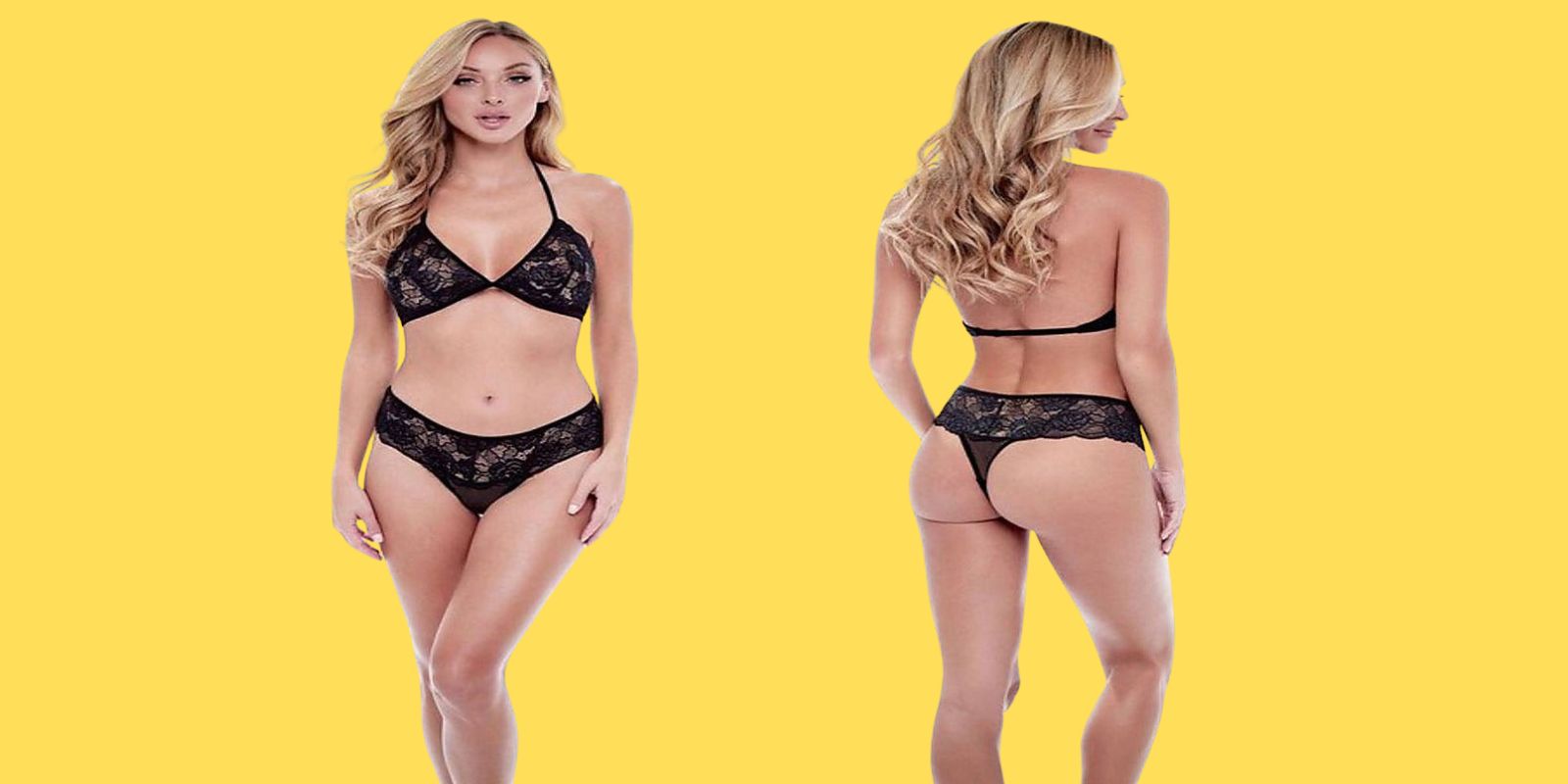
After following this lingerie detergent guide, put those careful washing habits to good use with the Eco Bra and Panty Set by Baci Lingerie. Its seductive coordinated design deserves gentle cleaning and proper care, helping the set stay fresh, comfortable, and ready for the moments when ordinary underwear simply will not do.
FAQs About Lingerie Detergent Guide
Why does my lingerie feel stiff after washing?
Detergent residue may remain in the fabric. Rinse the garment again in clean water and use a smaller measured amount next time.
Why does my bra still smell strongly of detergent after rinsing?
Fragrance and detergent residue may remain inside layered fabric or padding. Continue rinsing until the water stays clear and the fabric feels clean.
How much detergent should I use for hand washing lingerie?
Follow the detergent instructions for the water volume and load size. Small lingerie loads usually need careful measuring rather than a full-load dose.
Why is my coloured lingerie fading during washing?
Water temperature, unsuitable detergent, and poor colour sorting can contribute to fading. Check the care label and wash similar colours together.
What should I do when detergent leaves marks on lingerie?
Rinse the affected area thoroughly with clean water. Mix detergent into the wash water before adding lingerie during future washes.


