
📅 Posted: September 18, 2026
|
🔄 Updated: September 18, 2026
|
⏱️ Reading Time: 07.00 Min Read
Underwear For Sensitive Skin That Stays Comfortable All Day
Sensitive skin has a frustrating habit of reviewing underwear more critically than the person wearing it. A pair can feel perfectly comfortable while getting dressed, then several hours of sitting, walking, heat, and movement reveal every rough seam and tight edge. By lunchtime, that beautiful pair at the back of the drawer may suddenly feel far less charming.
I have a weakness for lingerie that looks bold enough to require its own warning label. Latex, leather details, straps, and dramatic cuts will always get my attention. Still, appearance and all-day comfort are separate jobs. When skin reacts easily, the smartest underwear choices often come down to small details hidden beneath the more exciting design.
Table Of Contents For Underwear For Sensitive Skin
- Why Comfortable Underwear Can Still Irritate Sensitive Skin
- How Fit And Construction Change What Your Skin Feels
- Fabrics And Lining Details Worth Checking Before You Buy
- Choosing Cuts That Stay Comfortable Through A Full Day
- Daily Habits That Help Reduce Friction And Dampness
- A Smarter Way To Shop When Your Skin Is Easily Irritated
- FAQs About Underwear For Sensitive Skin
Why Comfortable Underwear Can Still Irritate Sensitive Skin
Underwear irritation does not always begin the moment you put a pair on. Problems can develop gradually as heat, moisture, pressure, and movement build throughout the day. A waistband that feels harmless in the morning may become uncomfortable after hours of sitting. A seam that seems smooth while standing can rub repeatedly during walking.
Moisture changes the way fabric behaves against skin. Sweat can leave material damp, increase friction, and make an otherwise comfortable pair feel sticky or rough. This becomes more noticeable during exercise, hot weather, long commutes, or any day spent moving between warm outdoor conditions and indoor seating.
The gusset deserves particular attention because it sits against an area where moisture management and softness can influence comfort. Knowing the practical cotton gusset benefits can make it easier to judge underwear beyond the decorative fabric visible on the outside.
Detergent residue can also contribute to discomfort. Using too much detergent, adding strongly fragranced laundry products, or failing to rinse underwear thoroughly may leave residue within the fibres. When warmth and moisture enter the picture, sensitive skin may become more reactive during prolonged contact.
How Fit And Construction Change What Your Skin Feels
Fabric receives plenty of attention when people shop for underwear for sensitive skin, but construction can be equally important. Soft material cannot compensate for a waistband that digs into the body or a leg opening that creates constant pressure in one spot.
Look at where marks appear after several hours of wear. Temporary, light impressions from clothing can happen, but deep, sore, or persistent marks may indicate excessive tension. Pressure around the hips can come from a small size, firm elastic, narrow straps, or a cut that does not match your proportions.
Movement gives additional clues. Underwear that constantly rides up creates repeated rubbing as the fabric shifts. A gusset that feels too narrow may move away from its intended position, while loose fabric can bunch and create concentrated areas of friction.
Minimal styles require careful fit for the same reason. A poorly fitted thong can place tension across narrow areas instead of distributing it comfortably. Checking how a thong should fit helps separate normal close contact from pressure caused by the wrong size or cut.
Construction details are easy to miss in photographs. Raised seams, stiff labels, decorative edging, and bulky stitching can sit directly against sensitive areas. Turn a pair inside out before buying or wearing it and inspect the surfaces that will remain against your skin for hours.
Fabrics And Lining Details Worth Checking Before You Buy
Choosing underwear for sensitive skin means checking more than the fabric name on the label. Feel the inside surface, inspect the elastic edges, and check where decorative stitching touches the body. A soft fabric can still become uncomfortable when firm trim or raised seams rub against the same area throughout the day.
Decorative underwear can still work when the inside construction suits your skin. Lace, mesh, and stretch panels can create very different wearing experiences depending on their placement and finish. The Baci lingerie collection offers useful examples of how these materials appear across different lingerie designs, making construction details easier to compare before choosing a style.
| Material Or Detail | Moisture Behaviour | Best Use | What To Check |
|---|---|---|---|
| Cotton | Absorbs moisture but may stay damp after heavy sweating. | Everyday wear and moderate activity. | Check fabric weight and drying time. |
| Modal | Handles light moisture while maintaining a smooth feel. | Long workdays and extended sitting. | Check stretch recovery after washing. |
| Microfibre | Often dries faster than absorbent natural fibres. | Travel and lightweight clothing. | Check airflow and heat retention during long wear. |
| Mesh Panels | Allows greater airflow through open construction. | Warm conditions and shorter wear periods. | Check edges for stiffness against moving areas. |
| Gusset Lining | Manages moisture where underwear has the closest contact. | Daily underwear across most cuts. | Check width, attachment seams, and full coverage. |
Choosing Cuts That Stay Comfortable Through A Full Day
The right underwear cut should stay in place during sitting, walking, and everyday movement. High-waisted styles offer more coverage, while bikini cuts sit lower on the body. Comparing high-waist and bikini panties can help show how rise, coverage, and waistband position affect comfort during longer wear.
Boyshorts can feel comfortable when the leg edges stay flat, while thongs depend heavily on accurate sizing and stable placement. Loose fabric may bunch, and tight edges can create pressure in smaller areas. Choose a cut based on where you usually feel rubbing, rolling, or unwanted movement during the day.
My girlfriend always chooses her underwear around what she has planned rather than picking one cut for everything. She prefers fuller coverage for long days out, then reaches for something smaller and more daring when comfort only needs to survive dinner and whatever happens afterwards. Watching her choose that way taught me that the sexiest pair in the drawer does not need to win every shift.
Daily Habits That Help Reduce Friction And Dampness
Even comfortable underwear can start rubbing when sweat or moisture stays trapped against the skin. Change into a clean, dry pair after exercise, swimming, or heavy sweating. During hot days or long trips, carrying spare underwear can make a noticeable difference when the pair you started with becomes damp.
Laundry habits also affect how underwear feels against sensitive skin. Use a measured amount of detergent, rinse each load properly, and let every pair dry completely before storing it. If irritation appears across several different fabrics and cuts, your washing routine may deserve as much attention as your underwear drawer.
- Wash new underwear before wearing it for the first time.
- Avoid overloading the washing machine during underwear loads.
- Rotate frequently worn pairs to reduce repeated stretching and wear.
- Replace underwear when seams become rough or elastic stops recovering.
- Store clean pairs in a dry drawer with enough room to avoid crushing delicate trims.
A Smarter Way To Shop When Your Skin Is Easily Irritated
Shopping for underwear for sensitive skin means paying attention to the inside of the garment. Check the gusset width, seam placement, labels, elastic edges, and any decorative trim that touches the body. Size charts are useful, but the same labelled size can feel completely different across different cuts and fabrics.
Think about where and how long you plan to wear each pair. Soft, stable underwear often works better for travel, work, and long periods of sitting, while more dramatic styles may suit shorter occasions. For online shopping, check the fabric composition, rise, gusset details, and care instructions before choosing.
I love lingerie with enough straps to make getting dressed feel like solving a small engineering problem. Still, I have learned from watching my girlfriend shop that the inside deserves as much attention as the outside. If a certain cut keeps rubbing the same area, she leaves it behind, regardless of how tempting it looks on the screen.
Choose Everyday Underwear With Comfort Built Into The Design
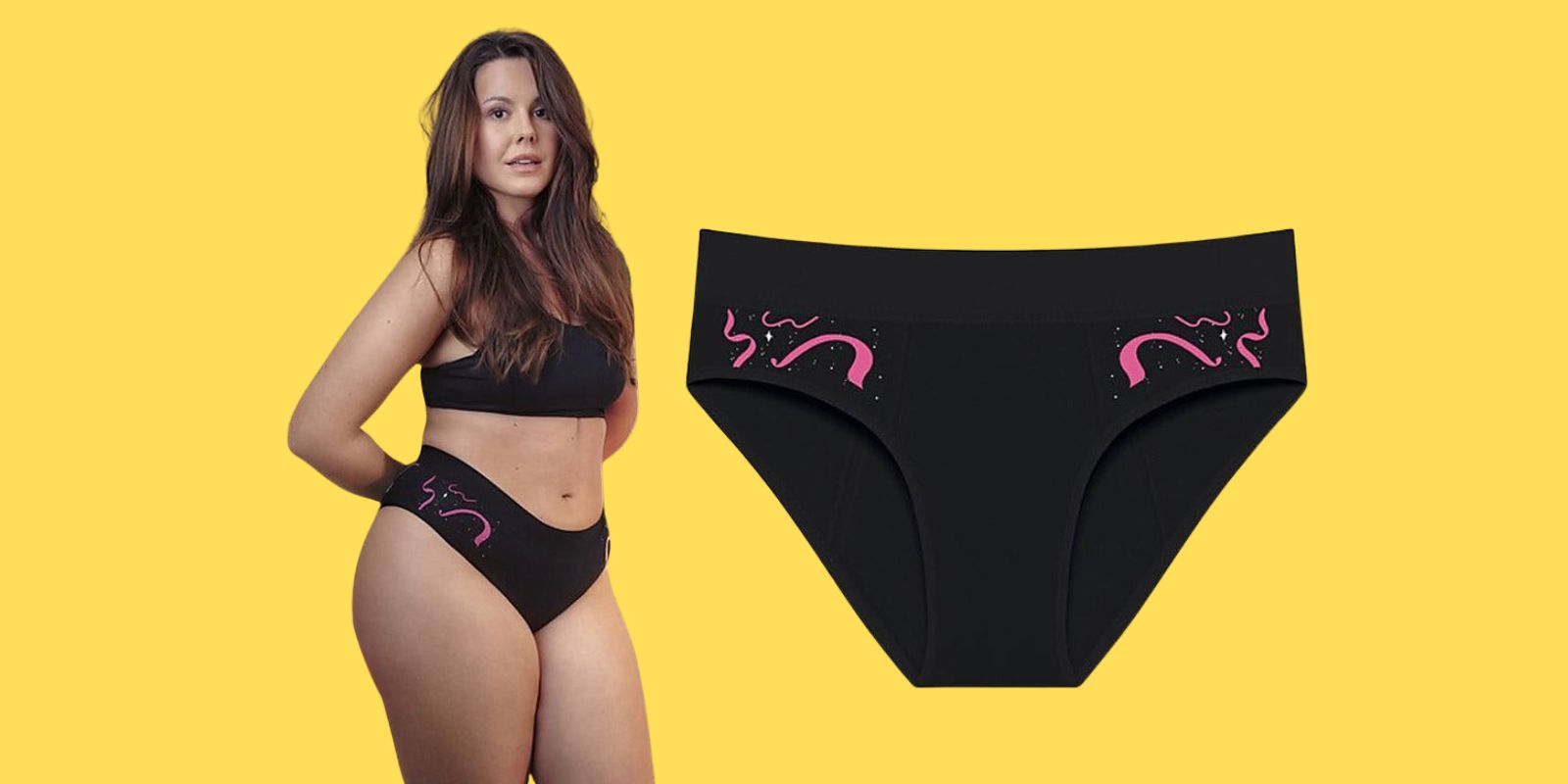
If you are comparing underwear for sensitive skin, the Bloom Menstrual Women’s Panties 3 Pack by Intimina offers a practical option for days when comfort, coverage, and reliable protection are priorities. Its reusable design fits naturally into a considered underwear rotation, especially when you want fewer compromises between everyday wear and period protection.
FAQs About Underwear For Sensitive Skin
Why does my underwear start itching after several hours?
Heat, sweat, detergent residue, or repeated rubbing may build gradually during wear. Check where the discomfort begins and what touches that area.
Why does cotton underwear still irritate my skin?
The problem may come from elastic, seams, trapped moisture, detergent residue, or an unsuitable fit rather than the cotton fabric.
Can tight underwear make sensitive skin feel worse?
Excess pressure can increase rubbing and leave sore marks. Try a different size or cut that stays stable without digging in.
Should I change underwear after sweating heavily?
Change into a clean, dry pair after heavy sweating or exercise. Prolonged dampness can increase friction and discomfort.
When should I replace underwear that has become uncomfortable?
Replace pairs with rough seams, damaged fabric, stretched elastic, or persistent fit problems. Worn construction can create new pressure and rubbing points.


