
📅 Posted: November 27, 2026
|
🔄 Updated: November 27, 2026
|
⏱️ Reading Time: 06.00 Min Read
Stocking Denier Guide For Sheerness Coverage And Everyday Wear
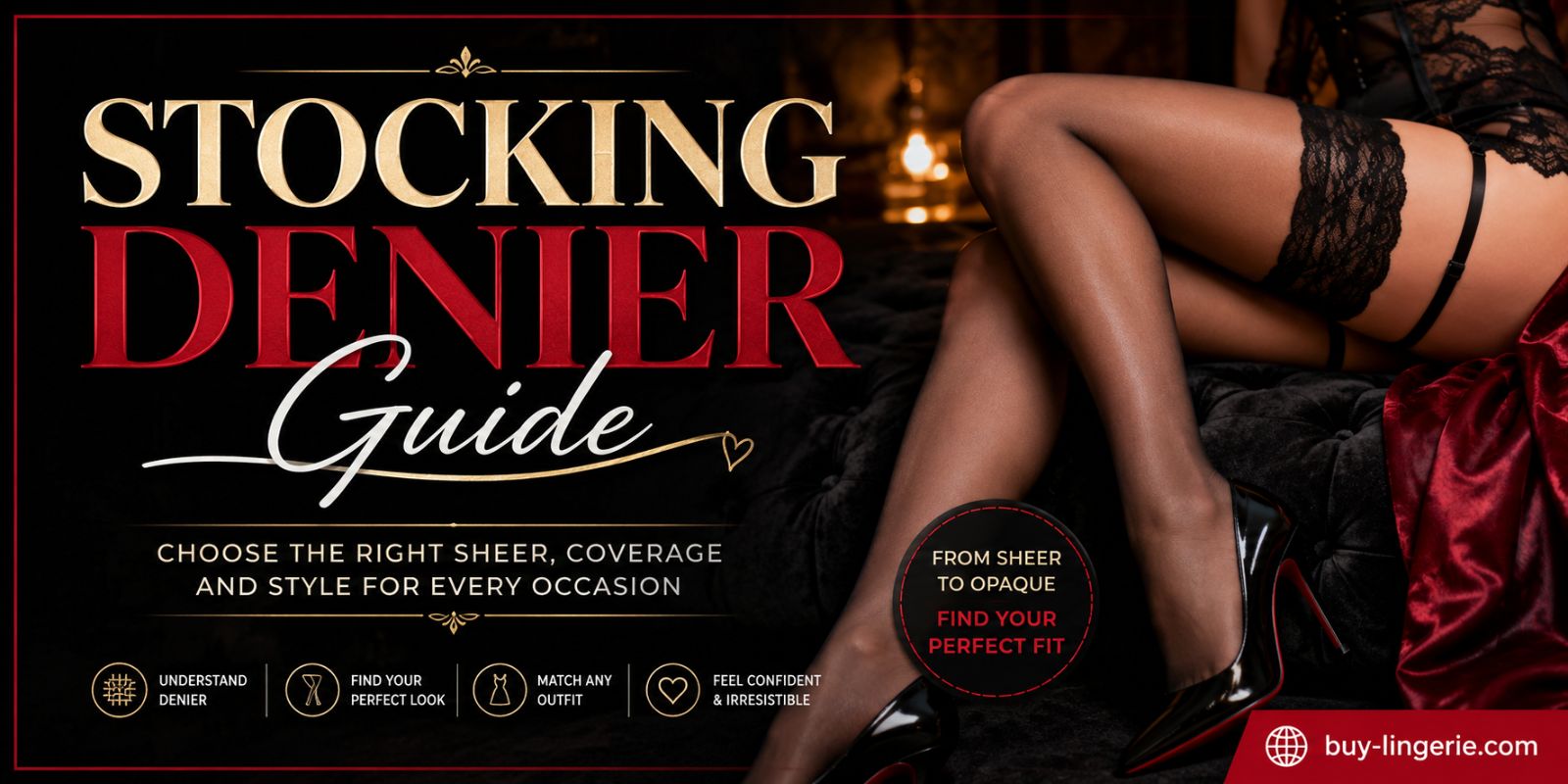
Stocking packets have a habit of making tiny numbers feel far more mysterious than they need to be. This stocking denier guide helps explain what those numbers mean when choosing the right pair. Ten denier sounds delicate, 40 denier sounds sensible, and 80 denier sounds ready to survive winter. Yet the number alone does not tell you exactly how a pair will look on your legs or work with a particular outfit.
I have always found stockings to be one of the quickest ways to change the mood of lingerie. A sheer black pair can make a simple set feel dangerously polished, while an opaque style can bring a stronger fetish edge. The awkward part is discovering that the stockings which looked seductive in the packet have the survival instincts of wet tissue paper once jewellery, long nails, and an impatient evening become involved.
Table Of Contents For Stocking Denier Guide
How Denier Changes Sheerness Coverage, And Appearance
This stocking denier guide starts with the basic principle that denier measures the weight of the yarn used in hosiery. In practical terms, a lower number usually means a finer and more transparent fabric, while a higher number usually creates greater coverage. This makes denier a useful starting point when deciding how much skin you want visible through your stockings.
Ultra-sheer stockings often sit around 5 to 10 denier. They create a barely-there finish and can give the legs a polished appearance without covering much natural skin tone. These styles work beautifully for refined outfits and delicate lingerie combinations, but they require careful handling.
Stockings around 15 to 30 denier offer a balance between visible sheerness and practical coverage. Skin remains visible, although the colour of the hosiery becomes more noticeable. This range suits many evening looks because it keeps the sensual quality of sheer hosiery without feeling quite as fragile as the lightest options.
Around 40 to 60 denier, coverage becomes stronger, and the natural skin tone is less visible. Once you move towards 80 denier and above, the result is usually much more opaque. These heavier options can create a bold, smooth appearance that works especially well with leather, latex-inspired outfits, boots, and darker lingerie.
The number still needs context. Yarn construction, knit density, stretch, colour, and finish can affect the final appearance. A glossy black 20-denier stocking may catch light differently from a matte pair carrying the same number.
Care becomes increasingly important as the yarn gets finer. Using a mild product and measuring it carefully can reduce unnecessary residue and stress on delicate fabrics. A suitable lingerie detergent routine can also help keep stockings and other delicate pieces feeling clean without treating them as ordinary heavy laundry.
Choosing The Right Denier For Weather And Comfort
Weather changes how stockings feel during a full day of wear. Lighter hosiery can feel less heavy when temperatures rise, while fuller coverage can be more comfortable as conditions become cooler. Fit still plays a major role because twisting, sagging, and tight stocking tops can cause discomfort in any season.
Good care also helps delicate hosiery stay smooth and wearable for longer. The gentle handling used when hand washing bras also works well for fragile lingerie loads, especially when you avoid aggressive rubbing, twisting, and direct heat.
Matching Stocking Denier With Outfits And Occasions
The right denier should work with the outfit and the setting. Sheer stockings can add a polished finish to formal dresses and eveningwear, while medium deniers often suit office outfits and regular wear. Darker shades can make hosiery appear more covering, while neutral colours usually create a softer effect against the skin.
Lingerie styling gives you more freedom to play with contrast. Sheer stockings can soften a strappy set, while opaque black hosiery can add extra drama to latex, leather, and fetish-inspired pieces. Fishnets and patterned stockings create a different effect because their open construction and designs make denier numbers less useful for judging the finished appearance.
Stockings can also change the mood of an outfit without replacing the lingerie underneath. Confidence, playfulness, and personal expression are among the reasons people enjoy lingerie, and hosiery can build on that feeling. A glossy finish can draw attention to curves, while a matte pair creates a softer and more understated look.
Common Denier Mistakes That Lead To Poor Results
Denier is useful, but the number does not tell the whole story. Yarn construction, finish, colour, and stretch can change how stockings look and feel once worn. Care also affects how long delicate pairs stay wearable, so sensible lingerie care habits can help protect sheer fabrics, elastic details, and delicate finishes.
- Buying by denier alone: A higher number does not automatically mean better quality or construction.
- Wearing ultra-sheer pairs everywhere: Fine hosiery can snag quickly during busy days or around rough surfaces.
- Choosing the wrong size: Tight stockings place extra tension on yarn, while loose pairs can slip and gather.
- Ignoring the occasion: A delicate special-event pair may struggle with long walks, commuting, or hours of movement.
I used to make the classic mistake of choosing stockings entirely by how seductive they looked in the packet. Once, I picked an ultra-sheer pair for a long evening out, then spent half the night checking a growing run instead of enjoying myself. Since then, I choose the denier around my outfit and plans for the evening, which has saved both my stockings and my partner from another shift as my emergency hosiery inspector.
How To Choose Your Next Pair With Confidence
Start with the finish you want and think about where the stockings will be worn. Lower deniers suit a sheer, delicate appearance, while middle ranges offer more coverage for regular wear. Higher deniers work better when stronger colour, opacity, or warmth is the priority. This stocking denier guide makes the choice easier by connecting the number with the look and purpose you need.
Fit and outfit choice should come next. Check the manufacturer’s sizing information because height and body proportions can affect how stockings sit and stretch. A dramatic latex or leather set can work beautifully with simple sheer hosiery, while opaque stockings can give a basic lingerie set a much stronger edge.
I naturally prefer stockings that add a little danger to an outfit, although experience has taught me that appearance cannot be the only test. I have enthusiastically bought some extremely delicate pairs over the years, only to give my partner the familiar disappointed look when they failed before the evening became interesting. These days, we keep sheer, everyday, and opaque options available because seductive plans work better when the hosiery survives the journey to the bedroom.
Put Your Stocking Denier Knowledge Into Practice
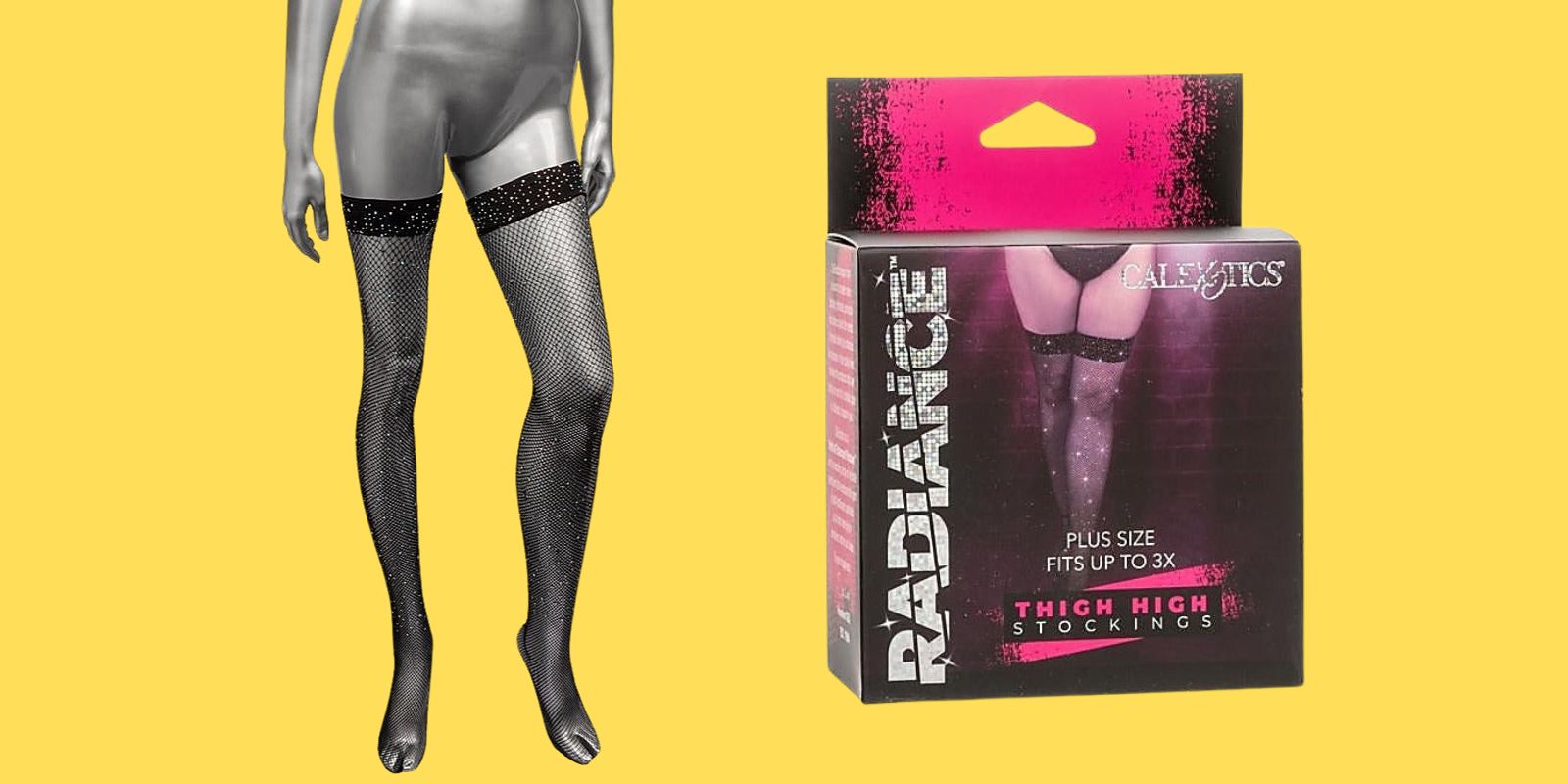
After using this stocking denier guide to choose the coverage and finish that suits your style, the Radiance Plus Size Stretchy Thigh High Stockings offer a seductive way to complete the look. Their thigh-high design pairs naturally with lingerie sets, dresses, and intimate outfits when you want hosiery to feel like part of the attraction rather than an afterthought.
FAQs About Stocking Denier Guide
Why do two stockings with the same denier look different?
Yarn construction, knit density, colour, stretch, and finish can change how transparent or opaque stockings appear on the leg.
What denier works well in hot weather?
Lower deniers around 5 to 20 provide lighter coverage. Comfort also depends on fit, fibre blend, and time spent wearing them.
Why do my sheer stockings keep tearing quickly?
Fine yarn can snag on nails, jewellery, rough shoes, or furniture. Handle the fabric gently and check contact surfaces before dressing.
Does stocking colour affect how opaque the fabric looks?
Darker colours often appear more covering than pale shades at a similar denier. Stretch and lighting can also change the effect.
Which denier is practical for frequent everyday wear?
A moderate range around 20 to 40 denier balances visible sheerness with more practical coverage for regular wear.


